
Why It Matters
A chimney never complains until the day it does something dangerous. Here is what really happens inside an unswept flue, from the oldest established chimney sweep firm in London, sweeping since 1870.
The Short Version
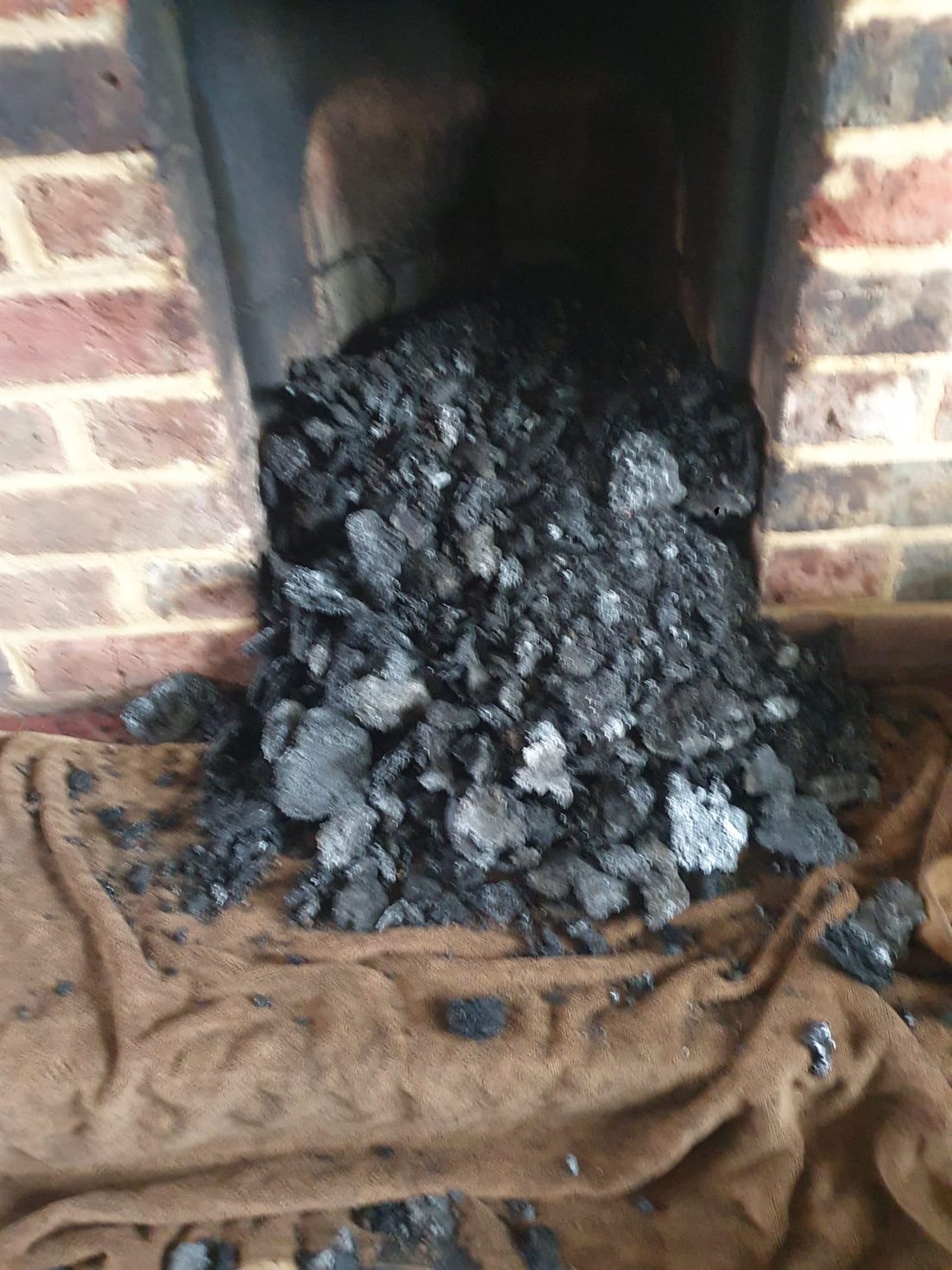
Every fire you light leaves something behind. Soot, tar and creosote condense on the walls of the flue with every burn, and they never clean themselves off. Give that layer a year or two and it becomes fuel sitting inside your chimney, a blockage in the making, and an acid quietly eating the structure. Fire services attended over 2,000 chimney fires in England last year alone, and the single biggest cause is a flue that was never swept.
The fix has not changed in a century and a half, because it has never needed to. We sweep the traditional way, brush and vacuum, the flue cleaned end to end and the room left spotless, finished with a smoke test where required and an official NACS certificate. Five generations of the Naish family have done it exactly this way since 1870. The old methods were never broken, so we have never changed them.
Once a year is the minimum for any working flue, whatever you burn. Burn wood regularly and it should be quarterly while the fire is in use. HETAS research found nearly one in ten stove owners leave it two years or more between sweeps, or have never had one. Those are the chimneys that end up in the fire statistics.
The Full Picture
The tar and creosote coating an unswept flue is highly flammable, and a hot fire below is all it takes to light it. Fire and rescue services attended 2,019 chimney fires in England in the year to March 2025, according to Home Office fire statistics. A chimney fire can burn at over 1,000 degrees, hot enough to crack the flue and its liner, and once the flue is breached the fire can reach roof timbers and spread into the house. Even a fire that stays inside the chimney usually leaves the flue damaged and unsafe to use until it is repaired. Regular sweeping removes the fuel before it can ever catch.
A flue narrowed by soot or blocked by debris cannot carry fumes up and out, so they come back into the room instead, and a struggling fire produces more carbon monoxide in the first place. CO has no colour, no smell and no taste, its early symptoms look like flu, and Office for National Statistics figures show it kills around 30 to 40 people in England and Wales in a typical year. A swept, clear flue is the first defence. A working carbon monoxide alarm is the second, and every home with a real fire should have both.
Jackdaws love a warm, sheltered chimney pot, and a pair can pack a flue solid with twigs in a fortnight. The nest blocks the fumes, sits in the fire's path as bone-dry tinder, and usually goes unnoticed until the first autumn fire fills the room with smoke. The law protects active nests from roughly March to August, so they must be cleared at the right time, and an annual sweep catches them before the burning season starts. A guard or cowl on the pot stops the whole cycle repeating.
Old soot is full of salts that pull moisture out of the air. Left in the flue, they migrate through the brickwork and show up as yellow-brown damp patches on the chimney breast that come and go with the weather, blistering paint and ruining plaster as they spread. The same damp soot is behind the acrid, tarry smell that drifts from unused fireplaces in humid summer weather. Sweeping the deposits out removes the source of both.
Soot and creosote are acidic. Combined with moisture they attack the mortar joints of an old brick flue and corrode the stainless steel liners fitted with modern stoves, and many liner warranties are only valid if the flue is swept regularly. Relining a chimney costs many times more than a lifetime of annual sweeps, which makes the sweep the cheapest insurance a chimney can have.
As the soot layer thickens, the flue effectively shrinks and the chimney draws less well. The signs arrive gradually: a fire that is slow to take, smoke curling back over the fireplace, sooty smudges on the chimney breast and ceiling, and the smell of smoke clinging to curtains and furniture. By the time a fireplace smokes visibly, the flue is long overdue attention.
A restricted flue starves the fire of air, so the fuel burns incompletely: less heat into the room from every log, more smoke up the chimney, and a stove glass that blackens over almost as soon as it is cleaned. Incomplete burning also lays down creosote even faster, so the problem feeds itself. A clean flue means a fire that lights easily, draws strongly and gives you everything the fuel has to offer.
Many home insurance policies covering a house with an open fire or stove make annual professional sweeping a condition of that cover, and after a chimney fire the loss adjuster's first question is usually whether the flue was maintained. Without evidence, a claim can be reduced or refused. The NACS certificate we issue with every sweep is exactly that evidence: keep it with your paperwork and the question answers itself.
Almost all of Greater London sits inside smoke control areas, where a smoking chimney can bring a penalty of up to £300 and burning the wrong fuel up to £1,000. A dirty flue makes any appliance smokier, and wet or unauthorised fuel makes a dirty flue faster: it is one circle, and sweeping plus the right fuel breaks it. We are always happy to advise on what to burn while we are with you.
An annual sweep is also the chimney's yearly check-up. Year after year we catch cracked pots, failed cowls, crumbling mortar, frost damage and wasp nests while they are still small, cheap jobs, simply because a sweep looks at the whole flue from the fireplace to the pot. Skip the sweep and nobody is looking, and chimney problems never get cheaper by waiting. If your home is rented out, remember the flue must be kept safe for your tenants and a carbon monoxide alarm is required by law in any room with a real fire or stove.
How Often?
Once a year is the floor for any flue in use, whatever you burn. Beyond that, the fuel sets the pace: wood needs sweeping quarterly while the fire is in use, house coal at least twice a year, smokeless fuel and gas or oil flues once a year. Burn hard and burn often, and your flue will thank you for the more frequent visit.
The best moment to book is before the season starts, late spring through early autumn, so the flue is clean, tested and certificated before the first cold night. And if it has been years rather than months, do not be embarrassed: it is the most common thing we hear, and it is exactly what we are for.
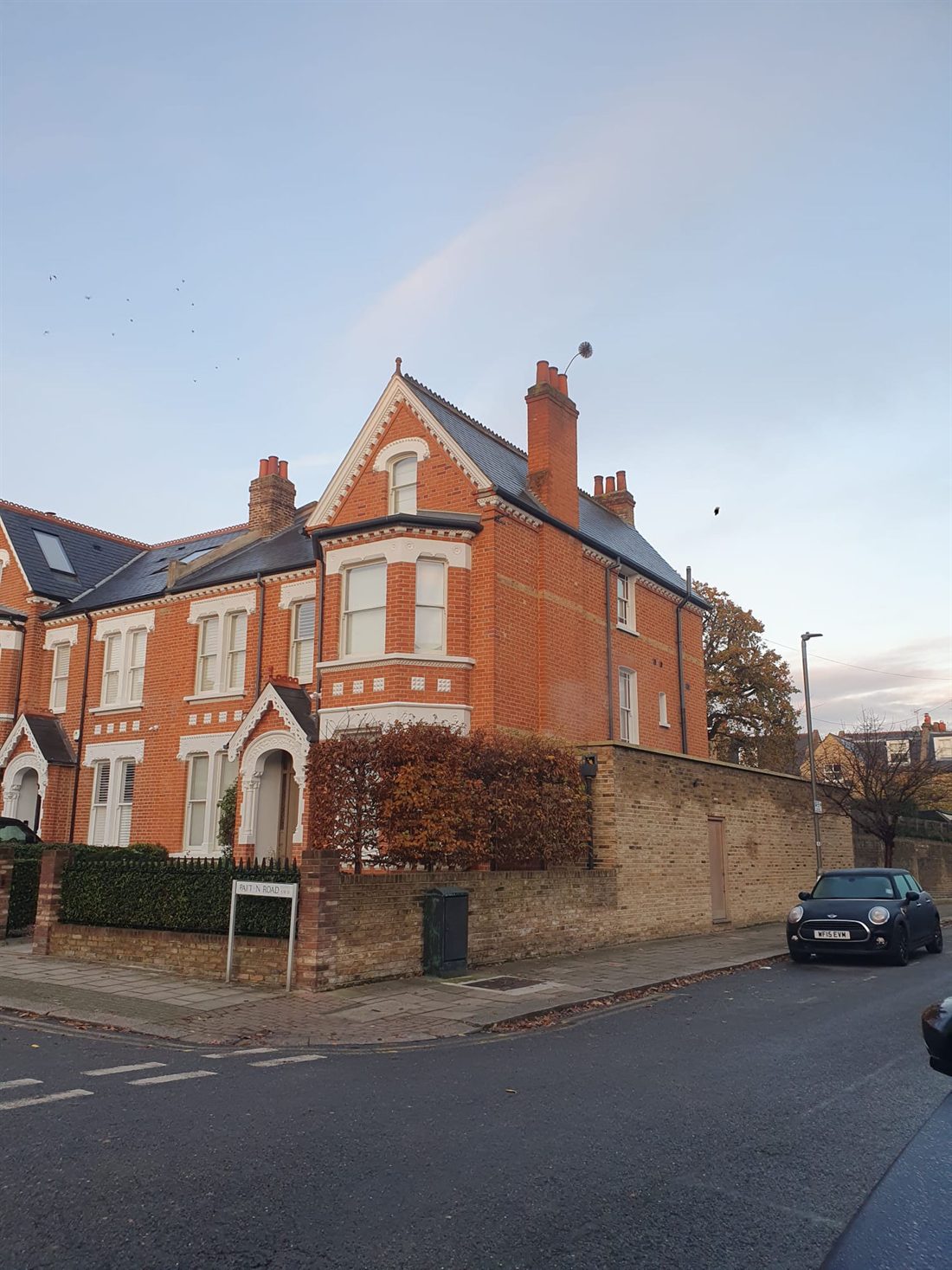
Call Alan or Dean Naish for a free quote or honest advice, anywhere in south London.
Call 0208 668 9914